Thinking about buying in Puerto Jiménez but not sure how to read this niche market? You are not alone. The Osa Peninsula feels wild and beautiful, yet it has its own rules for access, pricing, and seasonality. In this guide, you will learn what is on the market, how to interpret pricing bands without guesswork, where rental demand clusters, and which due diligence steps matter most. Let’s dive in.
Puerto Jiménez at a glance
Puerto Jiménez is the largest town on the Osa Peninsula and the main gateway to Corcovado National Park. The area attracts travelers for wildlife, birding, and the Golfo Dulce’s calm waters. Inventory is smaller than in other Costa Rica regions, and many properties are unique one‑offs, from small homes to eco‑lodges and raw land.
Demand is steady but specialized. Buyers often seek remote living, eco‑lodge opportunities, or scenic second homes. Infrastructure improvements happen over time, not overnight, so the market moves at a measured pace.
What drives demand
- Ecotourism and wildlife experiences around Corcovado.
- Sportfishing and marine activities on the Golfo Dulce.
- Buyers who want off‑grid or private living, or to operate eco‑lodges and short‑term rentals.
- Incremental gains from air service and road upgrades, which can lift visibility and occupancy.
Access shapes value
You can reach Puerto Jiménez by domestic flight, road, or boat. Properties near the town or airstrip, or on reliable all‑season roads, tend to command premiums and rent more easily. Remote parcels sell, but they appeal to a smaller pool and often take longer to close.
Property types you will see
- Town homes and small houses. Close to services and easier utilities. Good for owner use or long‑term rentals.
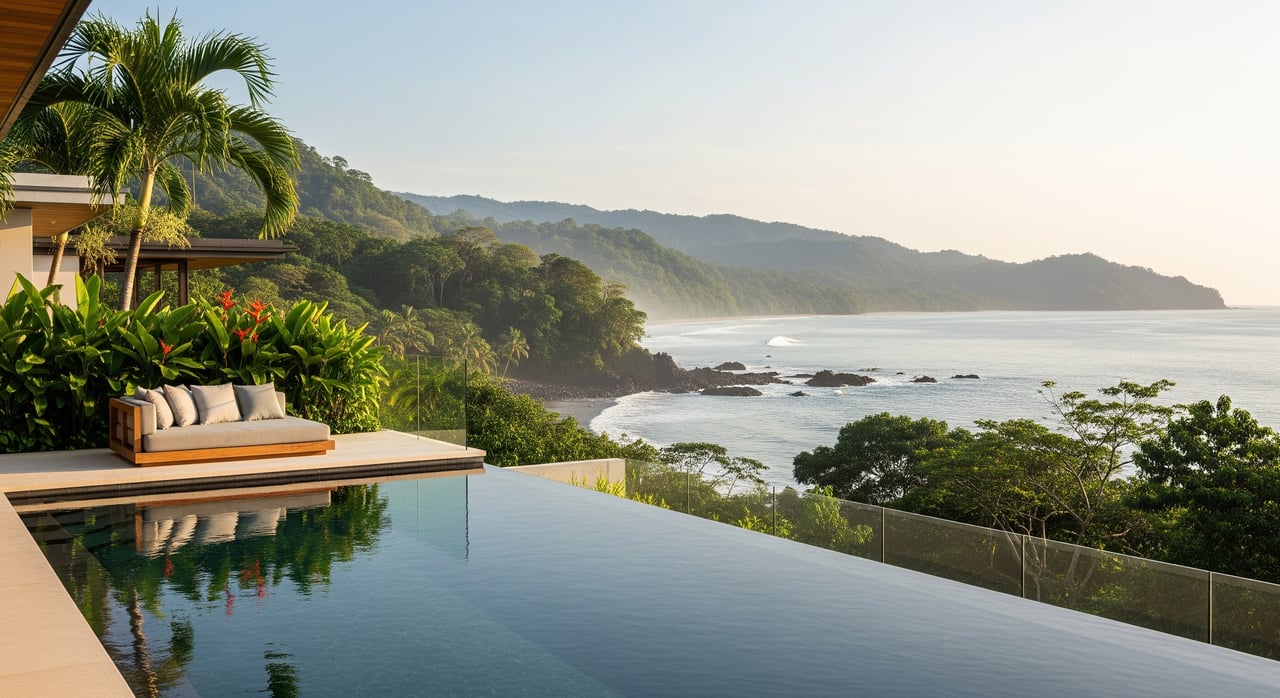
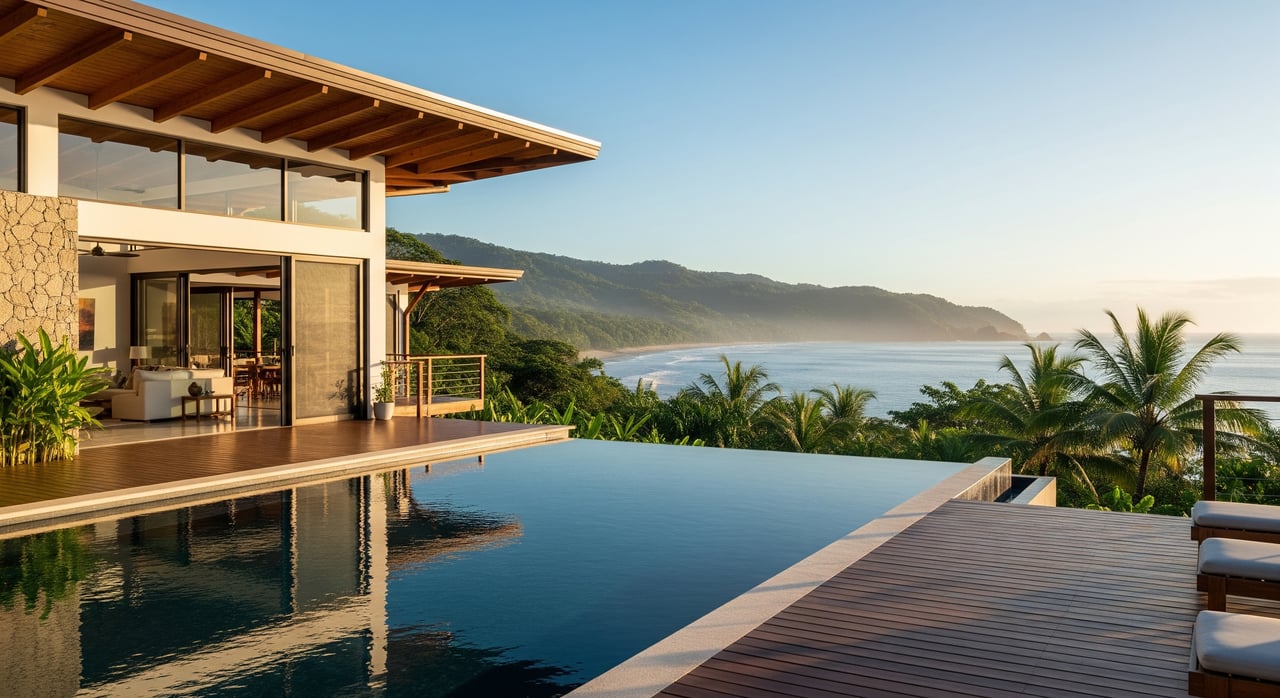
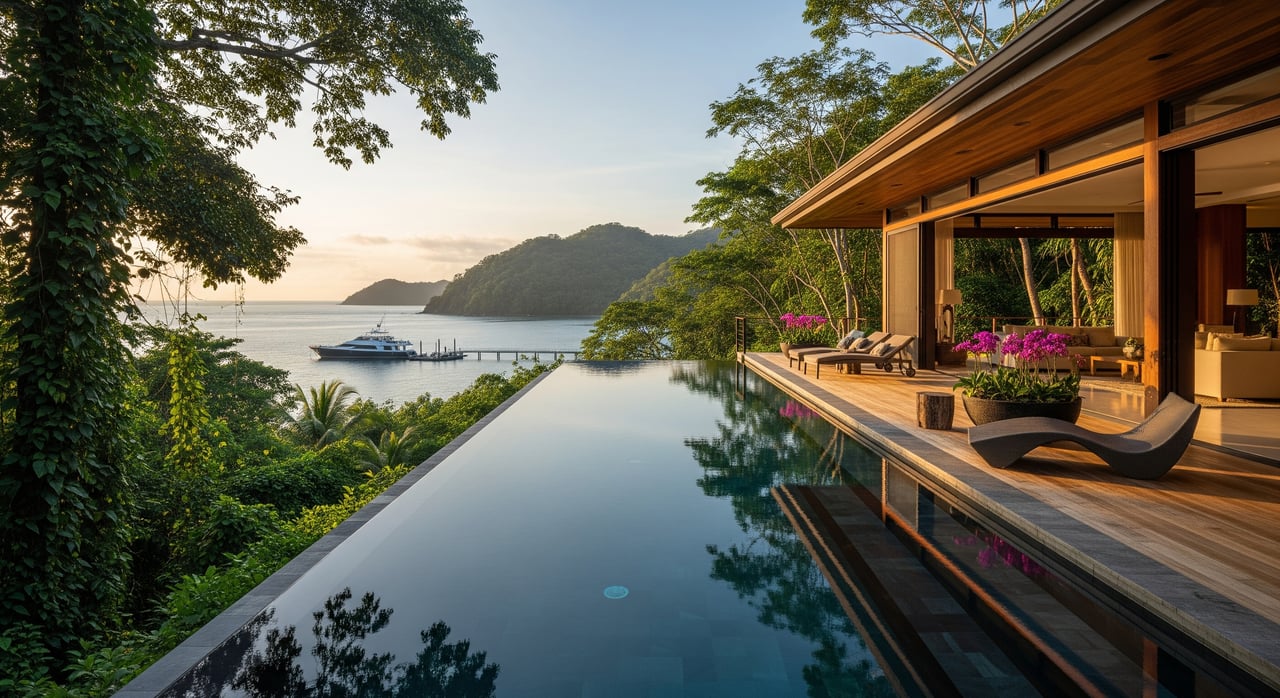
- Ocean‑view homes. Elevated parcels with views that draw lifestyle buyers and vacation rental guests.
- Beachfront lots and homes. Rare and high value, with coastal regulations that affect what you can build.
- Jungle lodges and small hotels. Income depends on occupancy history, tour packages, and permits.
- Large undeveloped parcels and fincas. Often sold by hectare, with buyers ranging from private owners to conservation or development investors.
- Agricultural and light‑development parcels. Attractive for small farms or agroforestry. Soil, slope, and water are key.
Pricing bands explained
Price is not just about size. In Puerto Jiménez, value is a blend of location, access, title clarity, utilities, improvements, slope, and conservation rules. A simple way to compare is to start with a base rural land value and then apply directional premiums or discounts.
- Accessibility premium. Easy, year‑round access near town or the airstrip can add roughly 20 to 60 percent relative to remote parcels.
- View and beach premium. Ocean views can add about 25 to 100 percent over inland land. Direct beachfront, where allowed, can be 100 percent or more above generic interior parcels.
- Improvements multiplier. A well‑built home or a turnkey lodge can price at 1.5 to 3 times raw land, depending on condition and verifiable income.
- Development constraint discount. Steep slopes, limited buildable area, lack of legal road access, or tight environmental rules can reduce value by 20 to 60 percent, and sometimes more.
Here is a practical way to frame listings. If an inland raw parcel is 1x, an ocean‑view parcel near town might list at 1.5x. A beachfront parcel with the right concessions could be 2 to 4x. A profitable, documented lodge could be 3 to 6x, based on occupancy and expenses.
Listing prices vs. closed sales
Closed sales data can be sparse in this micro‑market, which means some asking prices are aspirational. Expect negotiation and extra time for remote or complex properties. For income properties, always underwrite with real occupancy by month, seasonality adjustments, nightly rates by channel, and full expense statements.
Seasonality and rental demand
The dry season, from roughly December to April, is the peak period. Occupancy and nightly rates are higher, and the market sees more tours and showings. Holiday weeks are the busiest. The rainy season, from May to November, brings lower short‑term demand and less reliable roads. Some businesses scale back operations, which can improve buyer negotiation leverage.
Access matters more when it rains. Properties that are easy to reach year round tend to hold pricing better. If you plan to rent, your calendar will likely skew to dry season bookings, with shorter windows in shoulder months.
Where demand clusters
- Puerto Jiménez town and nearby areas. Year‑round appeal thanks to restaurants, shops, and the airstrip.
- Gateways to Corcovado. Properties with quick access to ranger stations and trailheads draw wildlife travelers.
- Beachfront and ocean‑view zones. Scenic settings along the peninsula and Golfo Dulce support higher nightly rates.
- Experience‑led lodges. Properties that bundle tours, sportfishing, and guided wildlife experiences often outperform.
Access and regulations to know
The Osa Peninsula has large protected areas and buffers. Proximity to conservation land can boost the nature appeal, while also limiting what and where you can build. Coastal properties sit within the maritime‑terrestrial public zone, which comes with setbacks and concession rules. Always confirm the legal building line, permitted uses, and any concession status for beachfront parcels.
Foreigners have the same property rights as citizens in Costa Rica. Even so, you should verify title, encumbrances, and any environmental or indigenous land claims with local authorities and a qualified attorney.
Due diligence essentials
Focus your diligence on items that directly affect value, usability, and exit timing.
- Title and encumbrances. Pull the full report at the National Registry to confirm ownership, liens, and boundaries.
- Protected areas and buffers. Check SINAC and MINAE maps for any overlap or restrictions that affect building.
- Coastal setbacks and concessions. Confirm maritime‑terrestrial rules for any beachfront parcel.
- Legal access. Verify public road status or recorded easements. Do not rely only on physical tracks.
- Utilities. Confirm water source, grid electricity, sewage options, and who maintains roads and lines.
- Permits and licenses. For new builds, confirm municipal building permits. For lodges or rentals, review tourism licenses and health permits.
- Environmental obligations. Identify reforestation commitments or forest reserve restrictions, if any.
- Taxes and fees. Ask a local attorney or accountant to outline transfer taxes, notary and registration fees, and property assessments.
- Income verification. For hospitality deals, request booking channel reports, occupancy by month, operating expenses, payroll, and recent tax filings.
Timeline, roles, and financing
Expect a clean town home sale to close in 30 to 60 days. Land or lodge transactions with environmental checks, easements, or permits can take several months. Your core team usually includes a local broker, your attorney, a notary, and a surveyor if boundaries need confirmation.
Local mortgages are limited in remote markets. Many buyers close with cash or arrange financing outside Costa Rica. If financing is required, confirm availability very early to avoid delays.
Smart first steps
- Define your access threshold. If you want rental income or higher resale liquidity, target properties with reliable year‑round access and utilities.
- Stress test seasonality. Underwrite revenue with dry and wet season assumptions. Check historical occupancy and rates by month.
- Visit in both seasons. If possible, see the property during dry and rainy months to note road conditions, drainage, and noise.
- Prioritize legal clarity. Favor properties with clean title, recorded access, and documented water rights.
- For lodges, buy the numbers. Place value on bookings, reviews, cost controls, and permits, not just brand and design.
- Be patient. The market is less liquid than the Central Valley. Quality assets take time to source and close.
How we help buyers
You deserve clear guidance and smooth execution in a complex, conservation‑sensitive market. As a boutique Christie’s affiliate serving the South Pacific coast, our team pairs global marketing reach with on‑the‑ground advisory. That means support with investment analysis, development consulting, legal coordination, and post‑sale property management. If you want a second home, a rental‑ready villa, a boutique hospitality asset, or a strategic land holding, we help you focus on assets with real lifestyle and investment potential.
Ready to explore Puerto Jiménez with a trusted advisor by your side? Connect with Jorge Elizondo for concierge‑level guidance and a curated view of opportunities.
FAQs
Can foreigners buy property in Puerto Jiménez?
- Yes. Foreign buyers have the same property rights as citizens in Costa Rica, but you should always verify title and encumbrances with a local attorney.
How do coastal rules affect beachfront property?
- Beach parcels are inside the maritime‑terrestrial public zone, so setbacks and concessions apply. Confirm the legal building line and permissible uses before you commit.
What seasons drive the strongest rental income in Osa?
- The dry season from roughly December to April brings higher occupancy and rates, with holiday weeks as peak periods. The rainy season is softer and more access sensitive.
Which locations see the most consistent rental demand?
- Properties in or near Puerto Jiménez, near Corcovado entry points, or with ocean views and packaged experiences tend to attract steady bookings.
How should I value an eco‑lodge or small hotel?
- Base pricing on verifiable numbers, including occupancy by month, nightly rates by channel, expense statements, payroll, and recent tax returns. Adjust for seasonality.
What due diligence is most critical for raw land?
- Confirm recorded access, water source, protected area overlaps, slopes and buildable area, and any environmental obligations or restrictions that affect your plan.
How long does a typical purchase take to close?
- A straightforward town home may close in 30 to 60 days. Land or hospitality transactions with added permits and environmental checks can extend for several months.