Sunrise surf or toucans in the canopy. In Dominical, you can shape your day around the tides or the trade winds, and both paths feel close to nature. If you are weighing life right on the sand versus a quiet jungle hillside, you want clear, honest guidance. This guide walks you through daily rhythms, seasons, access, services, safety, and the key ownership rules so you can choose your best fit. Let’s dive in.
Where Dominical fits on the map
Dominical sits on Costa Rica’s Southern Pacific, often called Costa Ballena. In practice, locals think of “Dominical” as a small cluster of surf town, beaches, and hillside hamlets that blend into nearby Uvita and the Barú and Savegre corridors. That overlap is normal along these district and municipal borders.
You can expect a drive of about 3 to 4 hours from San José, depending on route and traffic. Most travelers arrive at SJO, then connect by road or take a domestic flight to the regional airport in Quepos. It is smart to confirm travel time for your exact route using up-to-date trip guidance like the drive options summarized by Rome2Rio.
Uvita is the main services hub just south of Dominical. It hosts the entrance to Marino Ballena National Park, a protected marine area known for whale watching and the “whale’s tail” formation. You can learn more about the park and this coastal corridor through regional overviews like this guide to Marino Ballena National Park, and the Osa municipality’s tourism route summary on the Municipalidad de Osa site.
Seasons and daily rhythms
Costa Rica’s Southern Pacific runs on two broad seasons. The dry season is roughly December through April, with sunnier skies and more predictable conditions. The green season is roughly May through November. September and October are typically among the rainiest months for this coast, and sea temperatures stay warm year-round. For monthly averages, see the Dominical climate overview.
Surf shapes a lot of life here. Mornings often bring calmer winds, which many surfers prefer. Beginners usually find the dry season friendlier. The green season often delivers larger, more powerful swells that suit experienced surfers. For day-to-day wave behavior and local break details, check resources like the Dominical surf forecast.
Beachfront living: feel, perks, and trade-offs
What it feels like
On the beach, the ocean sets your soundtrack. You will hear the pulse of the sets, gulls, and the soft buzz of a surf village that wakes early. Through dry-season weekends, the beach path sees more foot traffic, and dinner hours bring a relaxed, social vibe.
Practical trade-offs
- Immediate access to the sand is the clear win, along with strong appeal for short-term rentals.
- Exposure to salt, sand, and wind is higher, so you will plan more frequent exterior maintenance.
- Coastal-zone rules affect what you can own and build along the shore. You should verify where a property sits relative to the maritime-terrestrial zone before you shape plans.
Surf and coastal safety
Dominical is a powerful beach break. Rip currents and strong surf are common, so even strong swimmers should use caution. River mouths can host stronger currents and wildlife. When in doubt, follow posted guidance and talk with locals before entering the water. Stay current with conditions using the Dominical surf report.
Hillside and jungle living: quiet, views, and nature
What it feels like
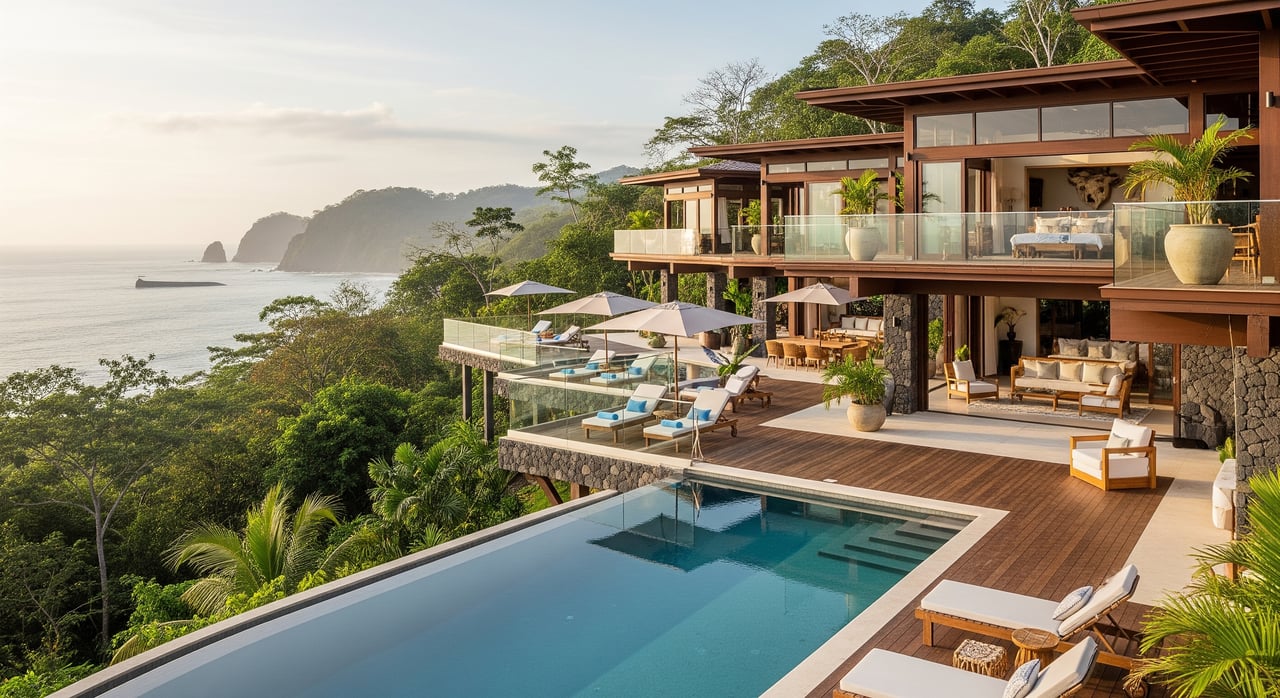
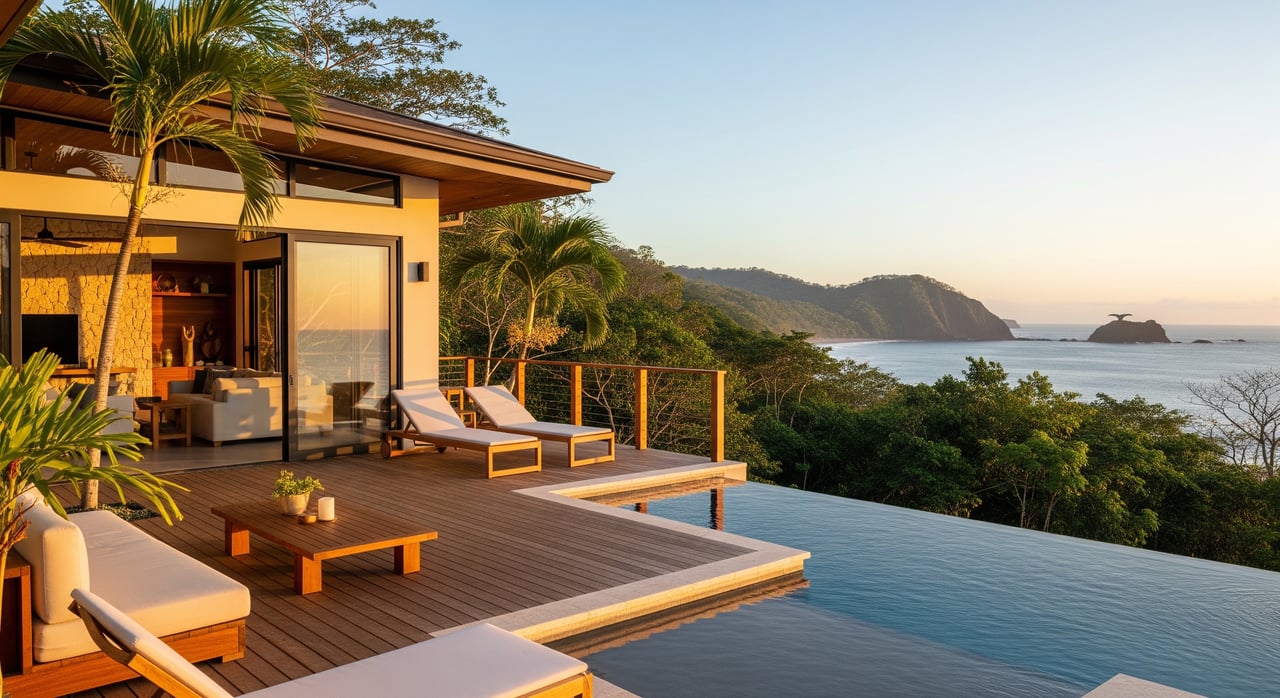
Up in the hills, mornings start with birdsong and cooler breezes. You feel wrapped by forest, with howler monkeys and toucans as regular neighbors. Afternoon clouds build over the ridge, then break into wide Pacific sunsets, often from a terrace with a long view to the horizon.
Access and utilities
- Roads can be steep, and in the rainy season a 4x4 is often recommended. Always confirm actual road class and access for your target property.
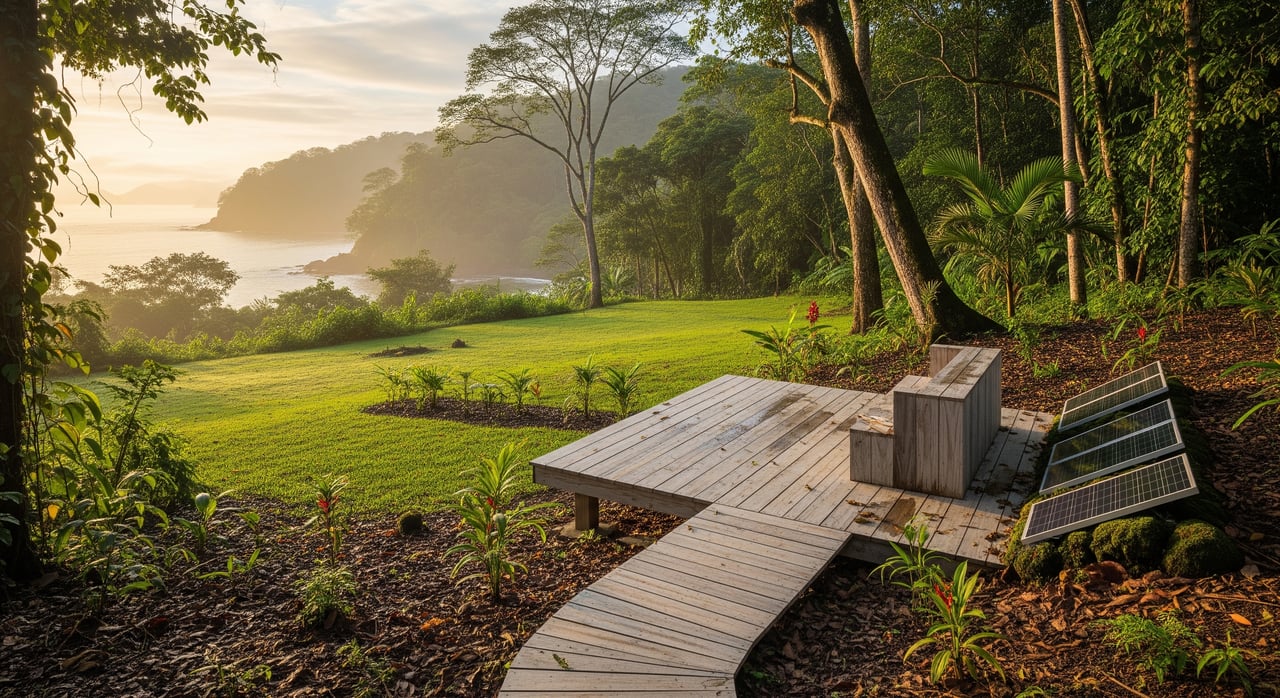
- Utilities vary by parcel. Many hillside communities connect to ASADA water and grid power near main access roads, while more remote lots may need pumps, tanks, or additional work. Review a parcel’s documented water and electrical status in writing. Local listings often call out these details, as seen in representative Savegre and Dominical area postings on the Costa Rica Chamber listing portal.
Wildlife and maintenance
The biodiversity you enjoy also asks for care. Expect regular vegetation management, screened openings, robust drainage, and ongoing pest control. Owners often favor durable finishes and covered outdoor spaces to handle sun and humidity. For a market-level view of how these realities shape value across Dominical, Uvita, and Ojochal, see this regional real estate overview.
Lifestyle anchors and services
Food, wellness, and markets
This corridor supports a mix of casual sodas, international restaurants, cafés, yoga and wellness offerings, and small spas. Uvita serves as a weekly market and services hub. Ojochal, just south, is known for a concentration of higher-end restaurants. You can pair a hike or wildlife visit with a meal out in the same day, since ocean and forest attractions lie close together.
Healthcare and schools
You will find local clinics and urgent care in towns along the corridor. The nearest regional public hospital is Hospital Fernando Escalante Pradilla in San Isidro de El General. Families should map exact routes to care from a chosen neighborhood. Learn more about the regional hospital through this hospital reference.
Public primary schools serve district communities, and bilingual or international programs are limited in the immediate area. Some families look to larger towns or the Central Valley for broader options. Confirm school choices and commute times before you commit to a specific neighborhood.
Connectivity
Fiber-optic internet is now advertised in parts of Uvita and Dominical. Some hillside or remote parcels rely on fixed wireless or satellite, with Starlink often used as a backup. Always verify address-level availability. You will see “fiber available” noted on many marketed parcels, like this beachside Uvita example.
Beachfront ownership rules made simple
Costa Rica’s maritime-terrestrial law treats the first 50 meters from the mean high tide line as public. The next 150 meters inland is a restricted zone that is generally held by municipal concession or lease. What you can buy, build, or operate inside this 200-meter band depends on title history, concession status, and local plans. You can review the core legal framework in official publications like this Imprenta Nacional notice on coastal rules.
Foreigners can own titled property in Costa Rica with rights similar to citizens. Concessions in the restricted coastal zone follow special rules that may involve municipal processes, shareholder or residency conditions, or a local company. A Costa Rica real estate attorney and the local municipality should confirm the facts for any beachfront parcel before you proceed. For a plain-language primer, see this legal overview for buying land in Costa Rica.
Due diligence checklist for Dominical area buyers
Use this quick list to protect your time and investment:
- Confirm parcel type. Is it titled fee-simple or inside the maritime-terrestrial zone under a concession or lease? Request the National Registry extract and the municipal concession file if near the shore. See official notices for concessions and coastal land use on the Imprenta Nacional site.
- Check hazard maps. Review tsunami inundation, storm surge, erosion, and landslide zones. Confirm evacuation routes and community preparedness with national guidance from the CNE and local municipalities.
- Verify utilities. Get written proof of potable water source (ASADA or well) and legal electrical service, plus septic or sewer details. Local listings often specify ASADA water and ICE electricity, as illustrated on the Chamber listing portal.
- Confirm internet options. Ask for fiber provider confirmation or, if needed, the feasibility of satellite backup. Many properties cite Starlink as a secondary option.
- Assess access and vehicles. Walk or drive the road to your property in wet and dry conditions. A 4x4 is commonly recommended for hillside roads during the rainy season.
- Review environmental permits. If building, verify any protected-area buffers, riparian setbacks, and permit needs with SINAC, SETENA, and the municipality. Start your document list with official publications and municipal guidance.
Cost and value signals to weigh
You will find a range of options that reflect unique parcel features. Beachfront land and authorized concessions generally command a premium. Jungle and hillside homes often deliver larger lots and panoramic views at a comparatively stronger value per dollar. Inventory is local and dynamic, with active interest from lifestyle buyers, rental investors, and eco hospitality projects. Rather than chase a single “market average,” compare like-for-like opportunities and lean on current local listings and legal status to set expectations. For context on how buyers view the Dominical to Ojochal corridor, see this regional insights piece.
Which lifestyle fits you
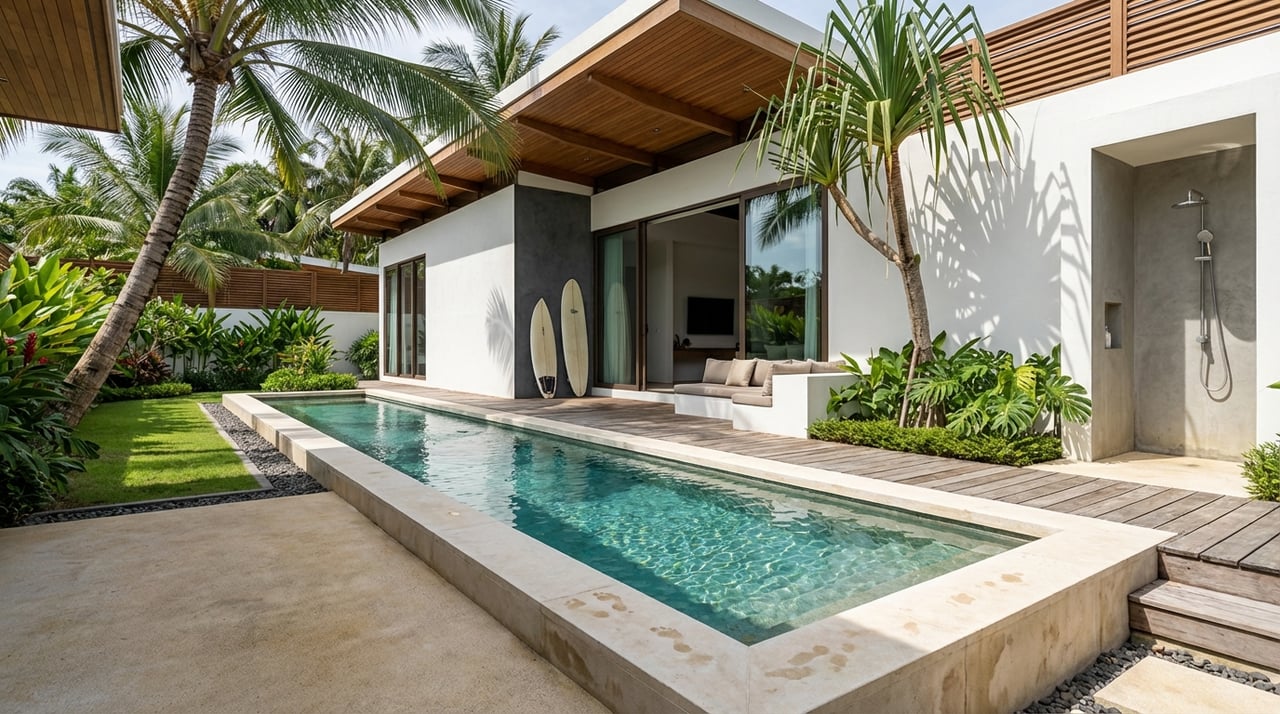
- Choose beachfront if daily surf checks, sunset walks out your door, and a social village vibe matter most. Plan for coastal maintenance and confirm coastal-zone details early.
- Choose the hillside if you want privacy, cooling breezes, and sweeping views, and you do not mind a short drive to shops and the beach. Budget for access, drainage, and steady vegetation care.
Both choices keep you close to Marino Ballena’s marine life and rainforest reserves, and both can perform as short-term rentals when designed and managed well. With the right parcel and team, you can match lifestyle with sound ownership structure and long-term value.
Ready to explore the right hillside or beachfront fit for you? Reach out to schedule a private consultation and tailored property shortlist with Jorge Elizondo ( CIRE Costa Rica South Pacific).
FAQs
How long does it take to reach Dominical from SJO?
- Plan about 3 to 4 hours by car depending on route and traffic, or connect by domestic flight to the Quepos regional airport and transfer by road. For route options, see the San José to Dominical overview.
When is the best time to surf Dominical for beginners or experts?
- Beginners tend to prefer the dry season from December to April for smaller, more predictable waves. Experienced surfers often favor the green season from May to November for larger swells. Check the Dominical surf forecast for day-to-day conditions.
What medical services are near Dominical?
- Local clinics and urgent care are found in nearby towns. The nearest regional public hospital is Hospital Fernando Escalante Pradilla in San Isidro de El General. See this hospital reference for location details.
Is beachfront or hillside living louder in Dominical?
- Beachfront homes carry the sound of surf and more daytime foot traffic, while hillside homes bring quieter jungle soundscapes and earlier evening calm.
What should I verify about utilities and internet before buying?
- Confirm potable water source, legal electrical service, and septic or sewer in writing. Ask for fiber availability at the address, and assess fixed wireless or satellite backup if needed. Many listings in Uvita and Dominical now advertise fiber.
Can foreigners buy beachfront property in Costa Rica?
- Foreigners can own titled property. Inside the 200-meter maritime-terrestrial zone, most land is regulated by municipal concession or lease, which follows special rules. Review official coastal regulations via the Imprenta Nacional and consult a Costa Rica real estate attorney.