What if your morning walk led to a sandbar shaped like a whale’s tail and a horizon dotted with dolphins? If you are drawn to small-town life with big nature, Uvita on Costa Rica’s southern Pacific coast delivers that mix every day. In this guide, you will learn how life flows through the seasons, what services you can count on, and what to consider if you plan to buy a home or invest. Let’s dive in.
Location and community
Uvita sits on the southern Pacific coast in Puntarenas Province, next to Marino Ballena National Park. The town centers around a compact commercial strip with cafés, small shops, and essential services. Surrounding neighborhoods stretch toward the beach and into the hills, with a blend of ocean-view homes, valley properties, and rainforest lots.
You will meet a mix of local Costa Rican families, international retirees, remote workers, and seasonal visitors. Tourism shapes the economy, so you will find bilingual cafés, yoga studios, and wellness spaces alongside traditional sodas and markets. The vibe is relaxed and friendly, with most social life revolving around nature and simple routines.
Climate and seasons
Uvita has a tropical Pacific climate with a clear rhythm. The dry season usually runs from December through April. The rainy season usually runs from May through November, when afternoons often bring heavy showers and the landscape turns bright green.
High season for tourism aligns with the dry months, so beaches and restaurants feel busier. Rainy season is quieter and more lush. Your daily routine will shift a bit with the weather, from early beach walks in summer to cozy evenings listening to the rain.
Nature and recreation
The showpiece here is Marino Ballena National Park and the low-tide sandbar known as the Whale’s Tail. You can walk the tombolo at low tide, watch pelicans skim the surf, and, in season, join licensed boat operators for whale-watching. Sea turtles and dolphins also frequent these waters.
You can reach multiple beaches within minutes. Surfing, snorkeling, paddleboarding, and sport fishing are common. Some beaches have strong currents, so follow local guidance and conditions. Inland, you can spend weekends at waterfalls, try canopy or zip-line tours, hike through secondary rainforest, and visit birdwatching hotspots. The wellness scene is present too, with yoga classes, small spas, and retreats that serve residents as much as visitors.
Food, markets, and going out
Uvita offers a wide range of casual places to eat. You will find local sodas for traditional plates, mid-range restaurants, and organic or vegan cafés. Small supermarkets and mini-markets cover daily needs.
For specialty items or larger grocery trips, residents often drive to nearby towns such as Dominical, Quepos, or San Isidro de El General. Farmers’ markets pop up on set days, and you can expect a good selection of seasonal produce. Dining and shopping feel easy once you get your weekly rhythm down.
Healthcare and safety basics
For primary care, Uvita typically has an EBAIS public clinic and small private clinics for general needs. Many residents blend public CCSS services with private care for speed and convenience. For specialist visits or hospital-level treatment, people commonly travel to larger regional centers such as Ciudad Cortés or Pérez Zeledón, or to San José for major procedures.
If you plan to live here full time, review your health insurance, including potential private international coverage and medevac options. As in many tourist towns, petty theft can occur, so take normal precautions like securing doors and windows and being mindful of valuables. Respect ocean conditions and road advisories, especially during the rainy season.
Schools and learning
Public primary schools serve local families, and there are private or bilingual preschools and small private programs in the area. Options for bilingual or international secondary education are limited nearby. Families often consider homeschooling, online programs, or commuting to larger towns for higher grades. For university-level study, students typically head to larger cities, including San José.
Utilities, internet, and services
Electricity is widely available, though storms can cause outages at times. Water sources vary by property. In town, you are more likely to have municipal water. Outlying properties may rely on community systems, wells, or rainwater capture. Many homes use storage tanks and filtration.
Trash collection and recycling exist but can be limited. Some residents use private hauling and sort recyclables themselves. Internet and mobile coverage have improved, yet speeds and reliability still vary by neighborhood. It is smart to verify internet options at any specific property before you make a commitment.
Getting around and access
Uvita is reachable by a mix of paved and unpaved roads, and conditions change with the seasons. In the rainy months, certain routes can become muddy or flooded. A 4x4 vehicle is common for hillside or rural access.
Public buses connect Uvita with neighboring towns and regional centers, though schedules may be infrequent. Many residents choose a private car for everyday errands. The closest major international gateway is Juan Santamaría International Airport in San José. Regional flights serve airfields in the southern Pacific, but routes can change, so it is best to confirm current schedules.
Real estate snapshot
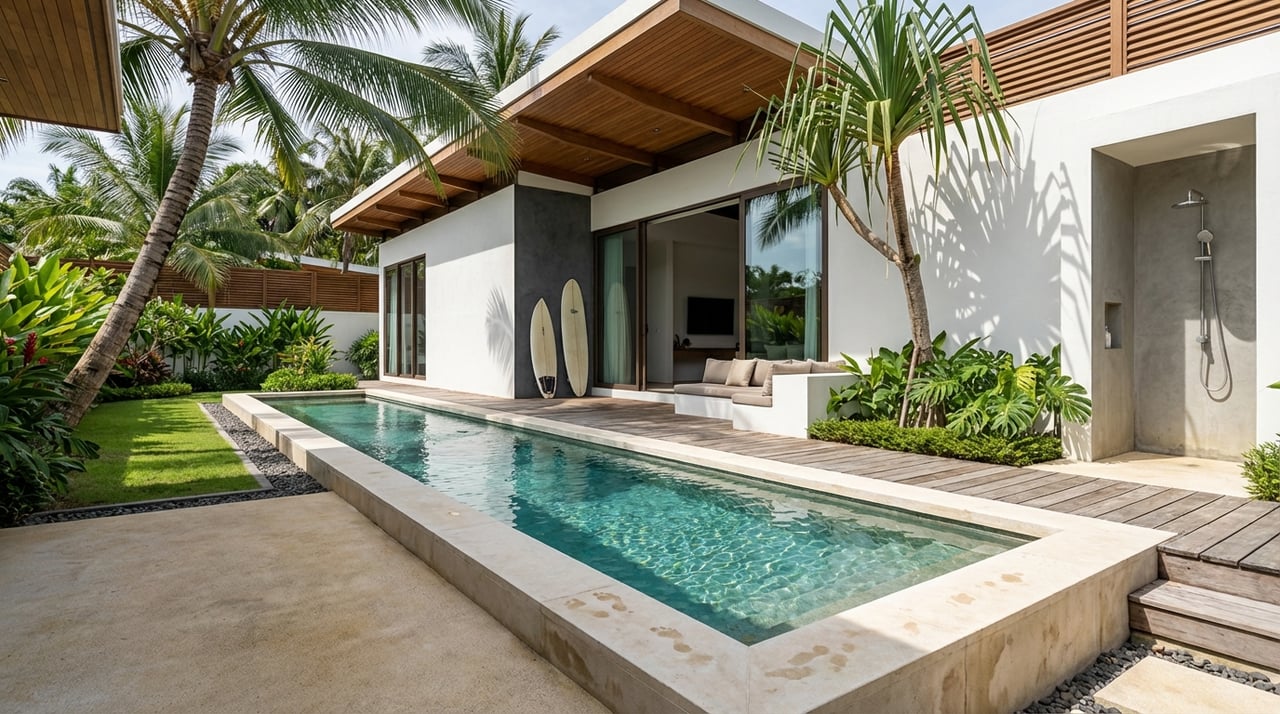
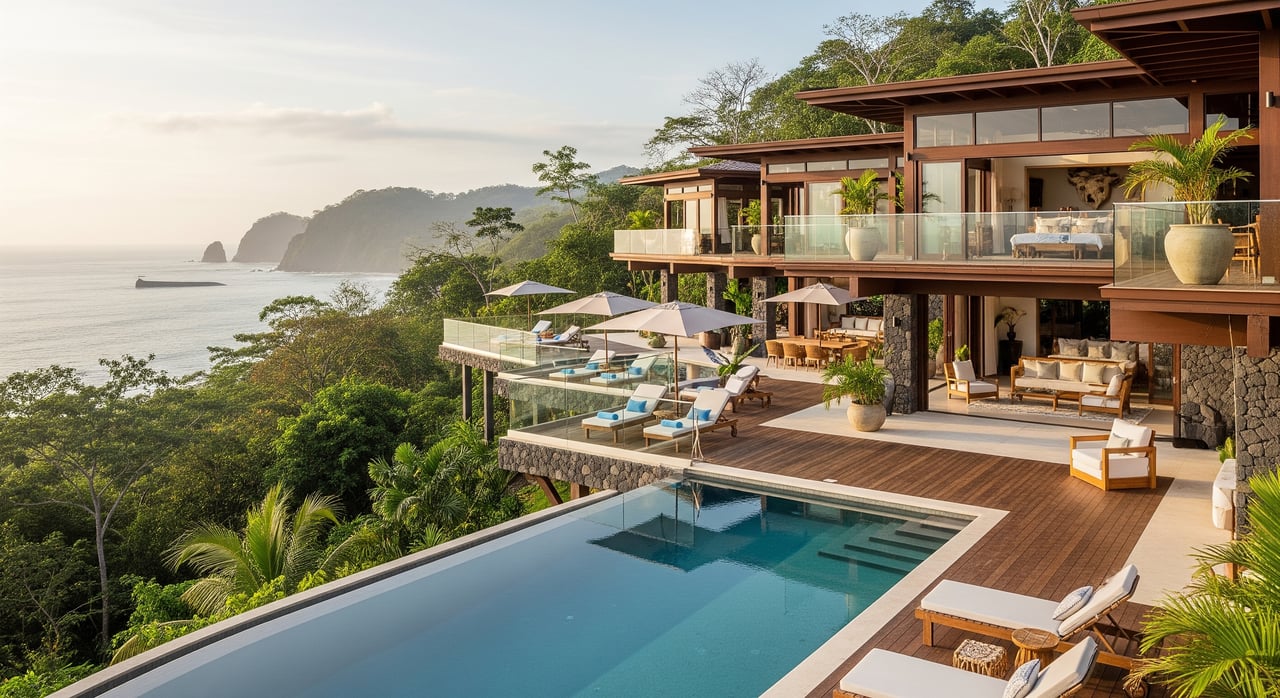
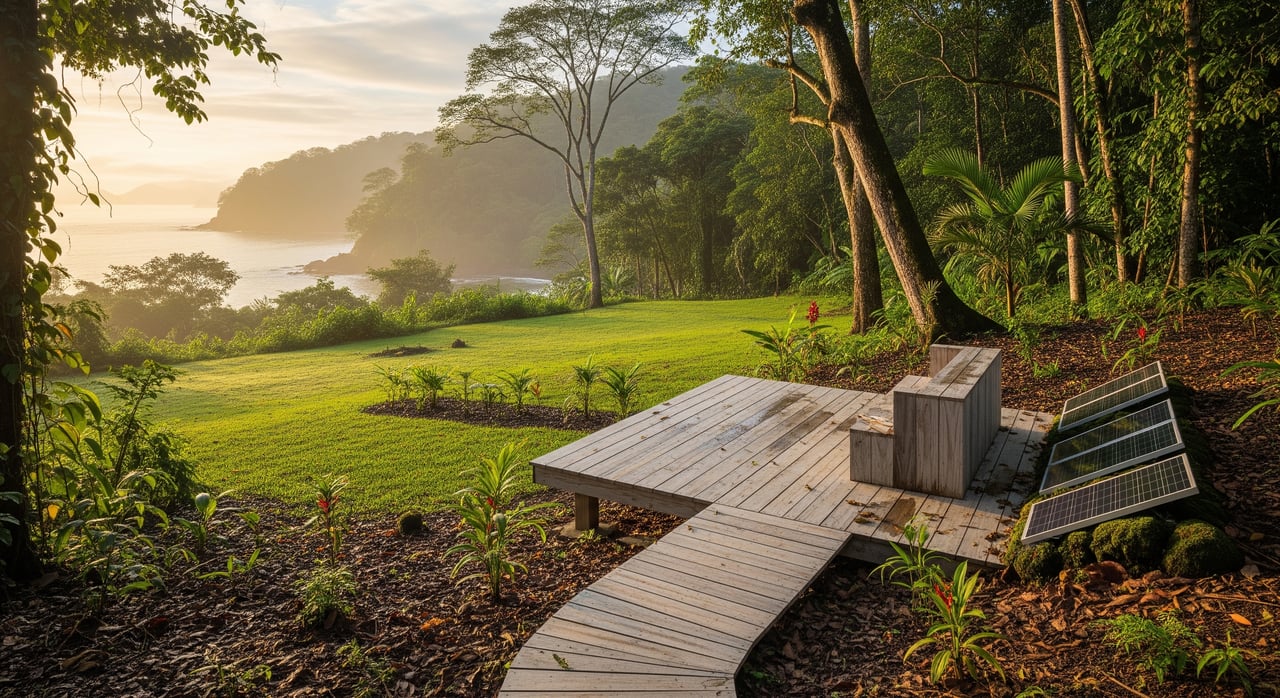
Uvita’s housing stock is diverse. You will find hillside villas, ocean-view estates, valley homes, and occasional condo developments. There are also rainforest and farm parcels for those who want space and privacy. Architectural styles range from traditional homes to modern eco-luxury builds. Infrastructure is more complete in town. Rural properties may need off-grid or semi-off-grid systems.
Buying as a foreigner
Foreigners have the same property rights as Costa Rican citizens. A typical purchase involves a title search, due diligence, a sale agreement, signing the public deed before a notary, and registration at the National Registry. Work with a local attorney to confirm title, boundaries, easements, encumbrances, water rights, tax status, and any environmental restrictions.
Coastal regulations
Development near the shoreline is regulated. The maritime-terrestrial zone and national park buffers limit private development close to the high-tide line in many places. Before you buy or build near the coast, confirm exact setbacks and required permits with the relevant environmental and municipal authorities.
Taxes and ongoing costs
Expect transfer taxes, registration and notary fees at closing, and annual property taxes. There is no general foreign ownership tax. Ongoing costs include utilities, property management, regular maintenance, and insurance. In a humid rainforest setting, plan for proactive care to protect finishes and systems.
Rentals and income potential
Vacation rentals are a significant part of the local market. Occupancy and rates vary by season, and there are rules and tax obligations for short-term rentals. Long-term rentals also exist for workers, retirees, and seasonal residents, but yields depend on location and property features. If income is part of your plan, get local guidance on demand, regulations, and operating costs.
Is Uvita right for you?
Daily life here is outdoors-forward and unhurried. You will trade big box convenience for fresh markets, hikes, and ocean time. Services are available, yet specialized items or care may require a drive to larger towns. If you value nature, community, and a slower pace, Uvita rewards you with a rich routine of simple pleasures.
Move-in checklist
- Verify internet and mobile coverage at the property.
- Confirm water source and storage, including filtration or a cistern if needed.
- Check wet-season road access and decide if a 4x4 is necessary.
- Hire a local attorney for title and environmental due diligence.
- Inspect for humidity or mold and plan ventilation or dehumidification.
- Map healthcare options and an emergency plan, including nearest hospitals.
Work with a trusted advisor
If you are exploring a home, a rental-ready villa, or development land, local expertise is essential. A concierge-level team can help you validate title, navigate environmental rules, model rental performance, and coordinate property management after closing. That support simplifies cross-border decisions and protects long-term value.
Ready to take the next step in Uvita? Connect with Jorge Elizondo for discreet guidance and access to curated opportunities along Costa Rica’s southern Pacific coast.
FAQs
What is the weather like in Uvita across the year?
- Uvita is warm year-round with a dry season from December to April and a rainy season from May to November, when afternoons often bring heavy showers and the landscape turns lush.
How is healthcare access in Uvita for new residents?
- You can access primary care at local public and private clinics, while specialist or hospital-level services are found in larger regional towns or in San José for major needs.
What should I know about internet reliability in Uvita?
- Service has improved but still varies by neighborhood, so confirm available providers, speeds, and backup options at a specific property before you buy or rent.
Are there bilingual or international schools near Uvita?
- Public primary schools and some private or bilingual early education exist locally, while bilingual or international secondary options are limited, so families often consider commuting or online programs.
Can foreigners buy property near the beach in Uvita?
- Foreigners have the same property rights as citizens, but coastal zones include regulated areas with setbacks and permitting rules, so verify legal status and development limits before purchasing.
What are common safety considerations for living in Uvita?
- Use standard security measures against petty theft, follow local guidance for ocean conditions, and plan travel and driving with rainy season weather in mind.